I was once told that there are two things that we can do on earth but can’t do in heaven: sin, and evangelise. Whilst I appreciate the encouragement not to neglect the preaching of the Gospel, I think the theology is a little shaky. To be clear, we will not be seeking to convert the lost in glory, but that’s not all that evangelism is. Let me explain.
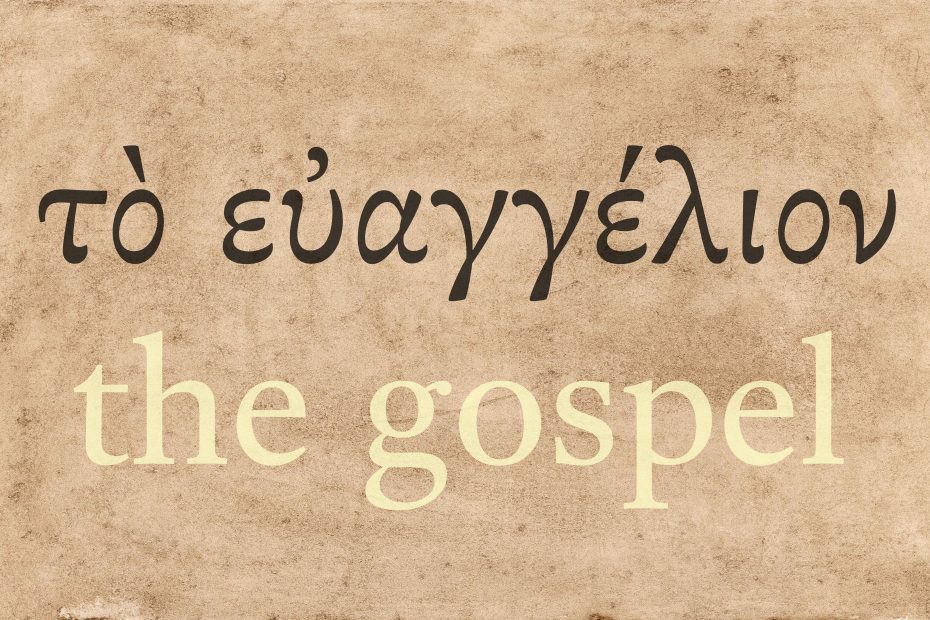
The word translated as Gospel in our English Bibles is euangelion. This is turn is where we get the English word evangel, along with evangelism and evangelist. The word itself is a compound word made from two other words that come into English in various ways. The first part is ‘eu’, often changed to ‘ev’ in English. This means good. When we give a eulogy at a funeral we are literally saying a ‘good word’ about somone (logos meaning word). Greek words consist of a root word and an ending that changes depending on what part of speech it is. That leaves us with the other root word: angel. It’s immediately obvious where this word comes from. Angels are God’s messengers, or announcers. They are sent from God to speak his words to us. So, the word is simply the ‘good proclamation’. That which Jesus fulfilled in his incarnation, life, death, and resurrection is good news, but not just in the sense that it’s new, because it was planned from before the foundation of the earth, and it stands for all eternity. It makes more sense to think of it as the good proclamation, even if that doesn’t sound quite as good in English.
The point to note is that this message does stand for all time. In Revelation 5:9-10 we are told that in heaven Jesus is being worshipped for his ransoming of a people for himself. There is in heaven a continuing pronouncement of the work of Jesus in salvation and redemption. It stands for all eternity at the heart of our presence with God in glory, and of our ability to have a relationship with him. The Gospel will no longer be proclaimed as a means to bring people to faith, but it will always be proclaimed as the core of Christianity, the basis of our redemption, and the joyous truth of our place with Jesus in glory.
Evanglism then is the proclamation of that glorious and good truth of Jesus and all that he is, has done, is doing, and will do. The Evangel as a word seems to have fallen out of favour in our modern attempts to make everything accessible to everyone, but it wonderfully encapsulates the concept of a good proclamation, our affirmation now, that we can take into glory that in which we even now rejoice.